15th May 2026
Digital Marketing Automation - Working Smarter, Not Harder
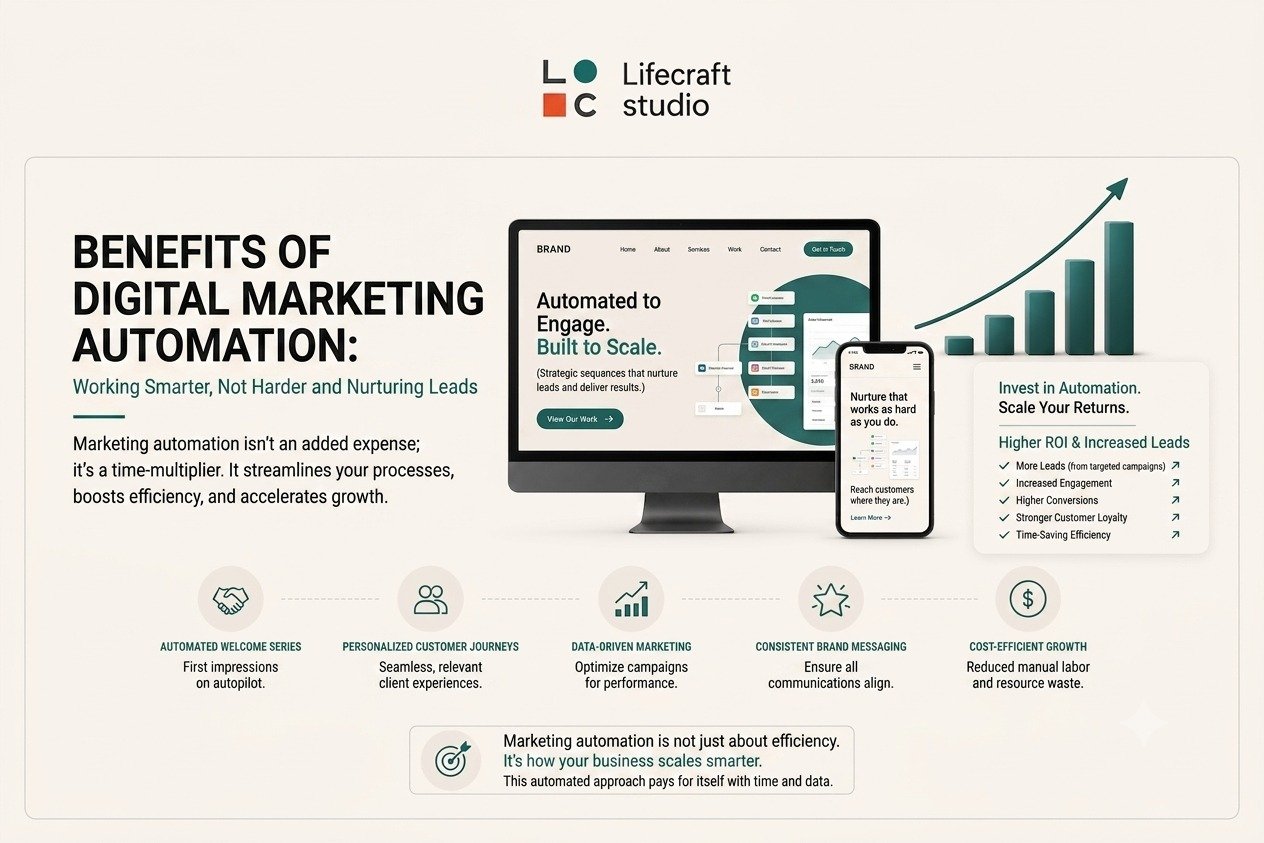
Marketing automation transforms how businesses connect with customers by delivering personalized experiences at scale while freeing up time for strategic thinking and creative problem-solving.
Email Sequences That Nurture RelationshipsAutomated email sequences allow you to build relationships with prospects over time without manual intervention. Welcome sequences introduce new subscribers to your brand story, educational series establish your expertise, and re-engagement campaigns win back dormant customers. The key is creating sequences that feel personal and valuable rather than pushy or salesy
Social Media Scheduling for ConsistencyConsistent social media presence builds audience engagement, but posting manually every day is time-intensive and unsustainable. Scheduling tools allow you to batch content creation and maintain steady visibility even during busy periods. The best approach combines scheduled posts with real-time engagement to maintain authenticity while ensuring consistent visibility.
Automated Lead Generation and CaptureCapturing leads is a critical part of digital marketing, and automation makes the process more efficient. Automated forms, landing pages, chatbots, and lead magnets help businesses collect valuable customer information without manual effort.
These tools ensure that potential customers are immediately added to nurturing workflows, reducing response times and increasing the likelihood of conversion.
Lead Scoring and Customer SegmentationNot all leads are ready to buy immediately, and treating them all the same wastes resources. Automated lead scoring helps identify the hottest prospects based on their behavior and engagement levels. Customer segmentation allows you to deliver targeted messages that resonate with specific audience groups, improving conversion rates and customer satisfaction.
Performance Tracking and OptimizationMarketing automation platforms provide detailed analytics that reveal which strategies generate the best results. This data-driven approach eliminates guesswork and allows you to double down on what works while adjusting or abandoning ineffective tactics. Regular analysis and optimization ensure your automated systems continue improving over time rather than running on autopilot.
Improving Sales and Marketing AlignmentAutomation bridges the gap between sales and marketing teams by providing shared access to customer data, lead activity, and engagement insights. This alignment helps ensure that qualified leads are passed to sales teams at the right time.
Better collaboration improves efficiency, enhances customer experiences, and increases the likelihood of successful conversions.
The Future of Marketing AutomationAdvancements in artificial intelligence and machine learning are making marketing automation smarter and more effective. Predictive analytics, AI-powered personalization, and automated decision-making are transforming how businesses engage with customers.
As technology continues to evolve, marketing automation will become increasingly essential for businesses seeking to deliver exceptional customer experiences while maintaining operational efficiency.
ConclusionDigital marketing automation empowers businesses to work smarter, not harder. By automating repetitive tasks, nurturing leads, personalizing communication, and leveraging data-driven insights, organizations can improve efficiency while delivering more meaningful customer experiences.
When implemented strategically, marketing automation helps businesses save time, increase conversions, strengthen customer relationships, and achieve sustainable growth. Rather than replacing human creativity, automation enhances it by allowing marketers to focus on strategy, innovation, and building stronger connections with their audience.
Frequently Asked Questions (FAQs) 1. What is digital marketing automation?Digital marketing automation uses software and technology to automate repetitive marketing tasks such as email campaigns, lead nurturing, social media scheduling, customer segmentation, and performance tracking.
2. Why is marketing automation important?Marketing automation improves efficiency, saves time, increases personalization, enhances customer experiences, and helps businesses scale their marketing efforts more effectively.
3. What types of businesses benefit from marketing automation?Businesses of all sizes can benefit from automation, including startups, small businesses, e-commerce stores, service providers, and large enterprises.
Follow us on


Other featured blogs

The Psychology Behind Great Graphic Design - What Makes Visuals Stick?

Digital Marketing for Small Businesses - Your Roadmap to Online Success

Building a Brand That Resonates - More Than Just a Pretty Logo

The Art of User Experience Design - Creating Websites People Love to Use