search
The Psychology Behind Great Graphic Design - What Makes Visuals Stick?

The Psychology Behind Great Graphic Design - What Makes Visuals Stick?

Ever owndered why certain logos instantly grab your attention while others fade into the background? The secret lies in understanding the psychological triggers that make graphic design truly effective. Color Psychology in ActionColors aren't just pretty decorations - they're powerful emotional communicators. Red sparks urgency and passion, which is why sale tags and call-to-action buttons often use this vibrant hue. Blue builds trust and reliability, making it a favorite among tech companies and financial institutions. Green represents growth and harmony, perfect for eco-friendly brands and wellness businesses. The Rule of Visual HierarchyYour brain processes visual information in a specific order, and smart designers use this to their advantage. Large, bold elements naturally draw attention first, followed by medium-sized components, then smaller details. This creates a visual roadmap that guides viewers through your message without overwhelming them. Minimalism Meets Bold ImpactThe 2025 design landscape embraces "bold minimalism" - a trend that proves less can indeed be more. By stripping away unnecessary elements and focusing on strong typography, strategic white space, and purposeful color choices, designers create memorable experiences that resonate with audiences who are bombarded with visual noise daily. Building Emotional ConnectionsGreat graphic design doesn't just look good - it feels right. When viewers can emotionally connect with your visual message, they're more likely to remember your brand, trust your expertise, and ultimately choose your products or services. This emotional resonance transforms casual observers into loyal customers. Suggested Photo Ideas: Close-up shots of colorful design materials, before/after design comparisons, designer's hands sketching concepts, or a collage showing different emotions expressed through various design styles.

2 mins read
Digital Marketing for Small Businesses - Your Roadmap to Online Success

Digital Marketing for Small Businesses - Your Roadmap to Online Success

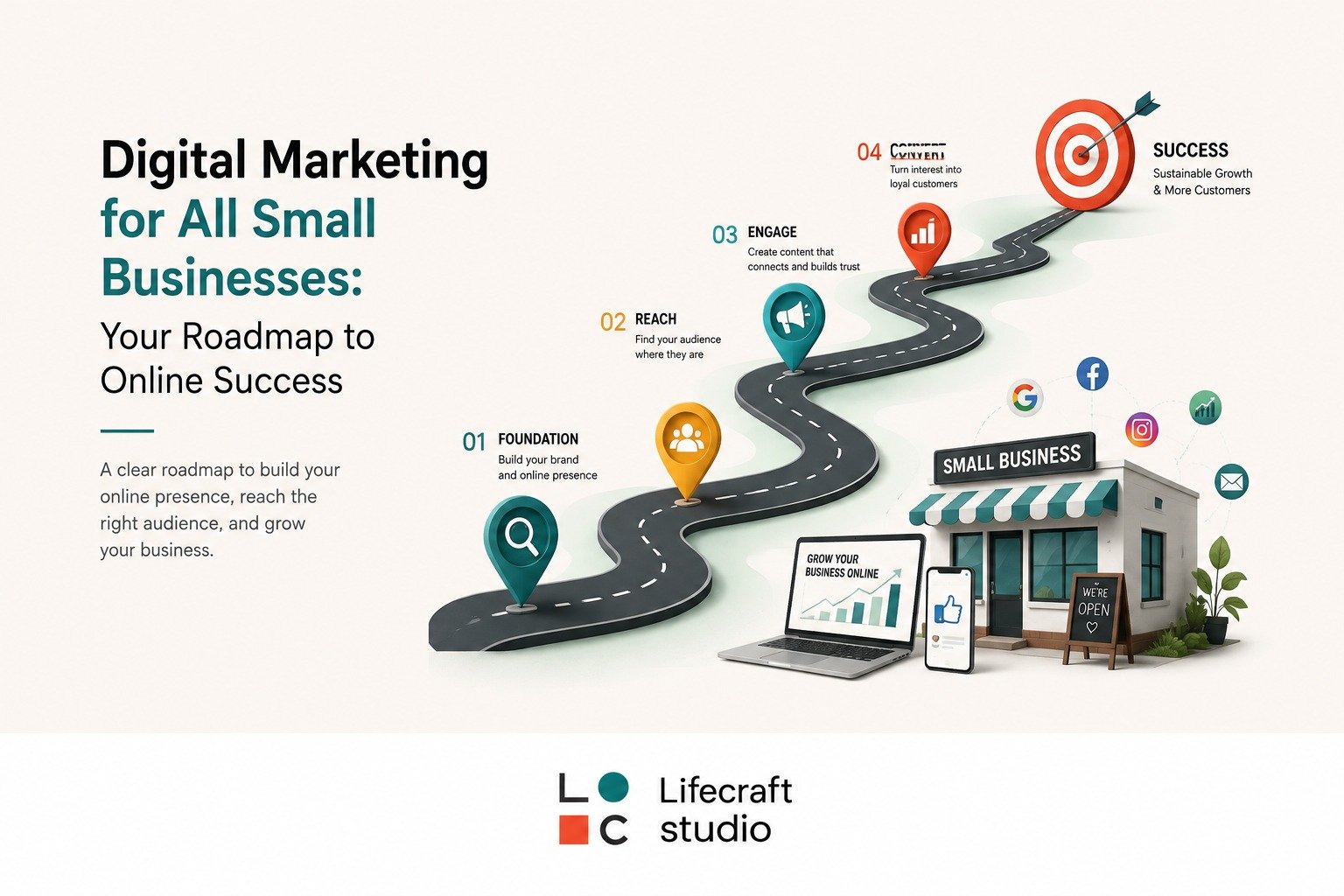
Small businesses today have something their predecessors could only dream of - the ability to compete with industry giants through smart digital marketing strategies. The playing field has never been more level, and the opportunities have never been greater. Start with Search Engine OptimizationYour potential customers are already searching for what you offer - you just need to make sure they can find you. SEO isn't about gaming the system; it's about creating valuable content that answers real questions. Focus on local keywords that your community uses, optimize your Google My Business profile, and encourage satisfied customers to share their experiences through reviews. Social Media as Your Digital StorefrontThink of social media platforms as your 24/7 digital storefront windows. Each platform serves different purposes: Instagram showcases your visual personality, LinkedIn builds professional credibility, and Facebook creates community connections. The key isn't being everywhere - it's being authentic and consistent where your audience already spends their time. Email Marketing That Actually WorksDespite predictions of its demise, email marketing remains one of the most cost-effective digital strategies available. The secret is treating your email list like a community of friends rather than a database of prospects. Share behind-the-scenes stories, offer exclusive insights, and provide genuine value that subscribers can't find anywhere else. Content That ConvertsQuality content establishes your expertise and builds trust with potential customers. Whether it's blog posts answering common questions, how-to videos demonstrating your skills, or case studies showcasing your results, valuable content attracts the right audience naturally. Remember, you're not just selling products - you're solving problems and improving lives. Suggested Photo Ideas: Screenshots of social media analytics, a person working on a laptop with marketing graphs, small business owner creating content, or a smartphone displaying various social media apps.

2 mins read
Building a Brand That Resonates - More Than Just a Pretty Logo

Building a Brand That Resonates - More Than Just a Pretty Logo

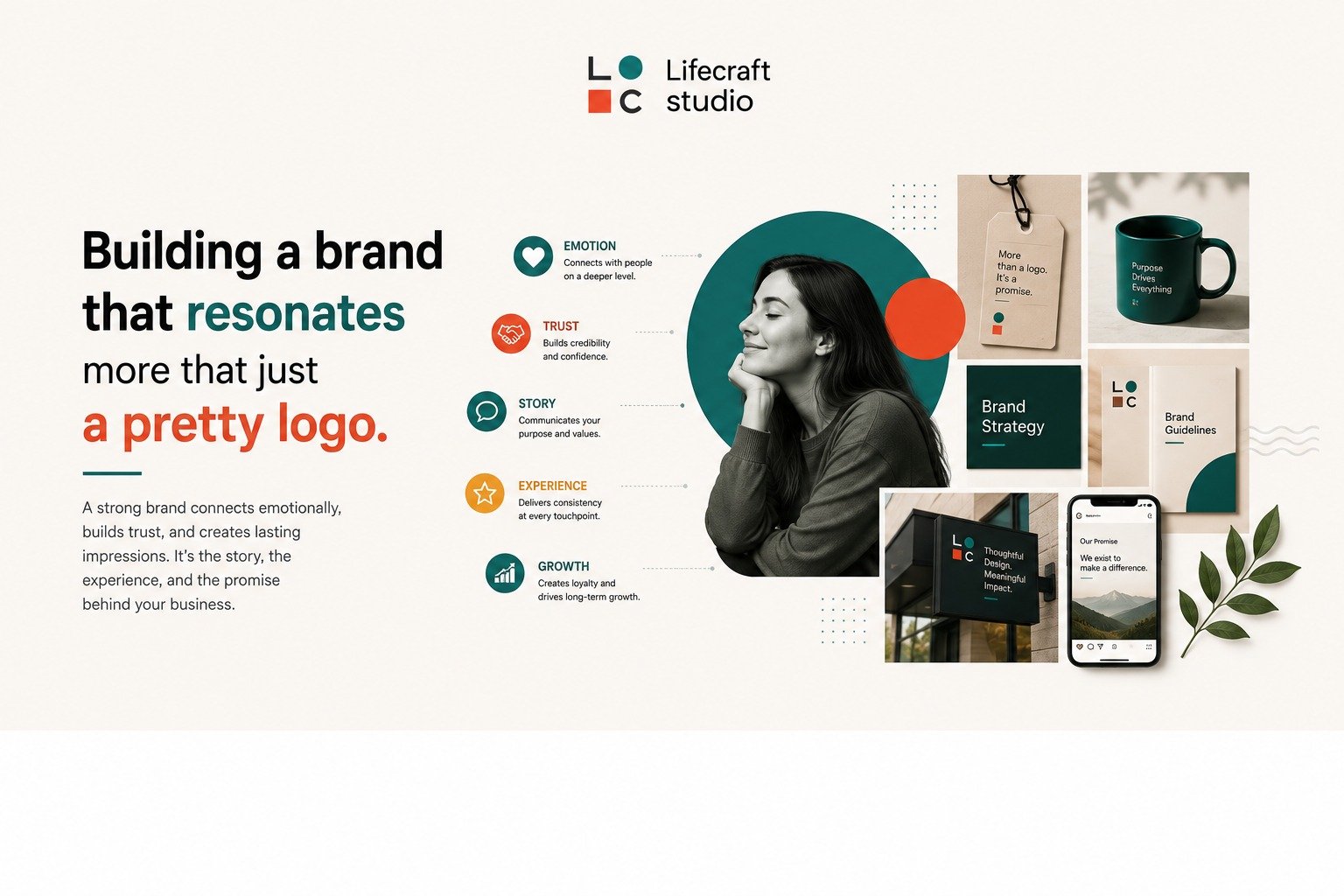
Your brand is not your logo, your website, or your business cards. Your brand is the feeling people get when they interact with your business - it's the promise you make and consistently deliver to your customers. The Foundation of TrustStrong branding establishes credibility from the moment someone encounters your business. In a world where consumers have countless options, trust becomes the deciding factor. When your visual identity, messaging, and customer experience align consistently, you signal reliability and professionalism that sets you apart from competitors who haven't invested in their brand development. Differentiation in a Crowded MarketEvery industry is crowded, but great branding helps you stand out by highlighting what makes you uniquely valuable. This isn't about being different for the sake of being different - it's about identifying and communicating the specific benefits that matter most to your ideal customers. Your brand should make choosing you feel like the obvious decision. Building Emotional ConnectionsSuccessful brands understand that people don't just buy products - they buy feelings, experiences, and identities. Apple customers aren't just purchasing technology; they're joining a community of creative innovators. Nike buyers aren't just getting athletic wear; they're embracing a mindset of pushing beyond limits. What feeling does your brand inspire? Long-term Business ValueStrong branding is an investment that compounds over time. Well-branded businesses command premium pricing, enjoy higher customer loyalty, and find it easier to launch new products or services. Your brand becomes an asset that increases your business's overall value and creates sustainable competitive advantages that are difficult for competitors to replicate. Suggested Photo Ideas: Brand identity elements laid out flat, diverse customers using branded products, a before/after brand transformation, or creative team brainstorming brand concepts around a conference table.

2 mins read
The Art of User Experience Design - Creating Websites People Love to Use

The Art of User Experience Design - Creating Websites People Love to Use

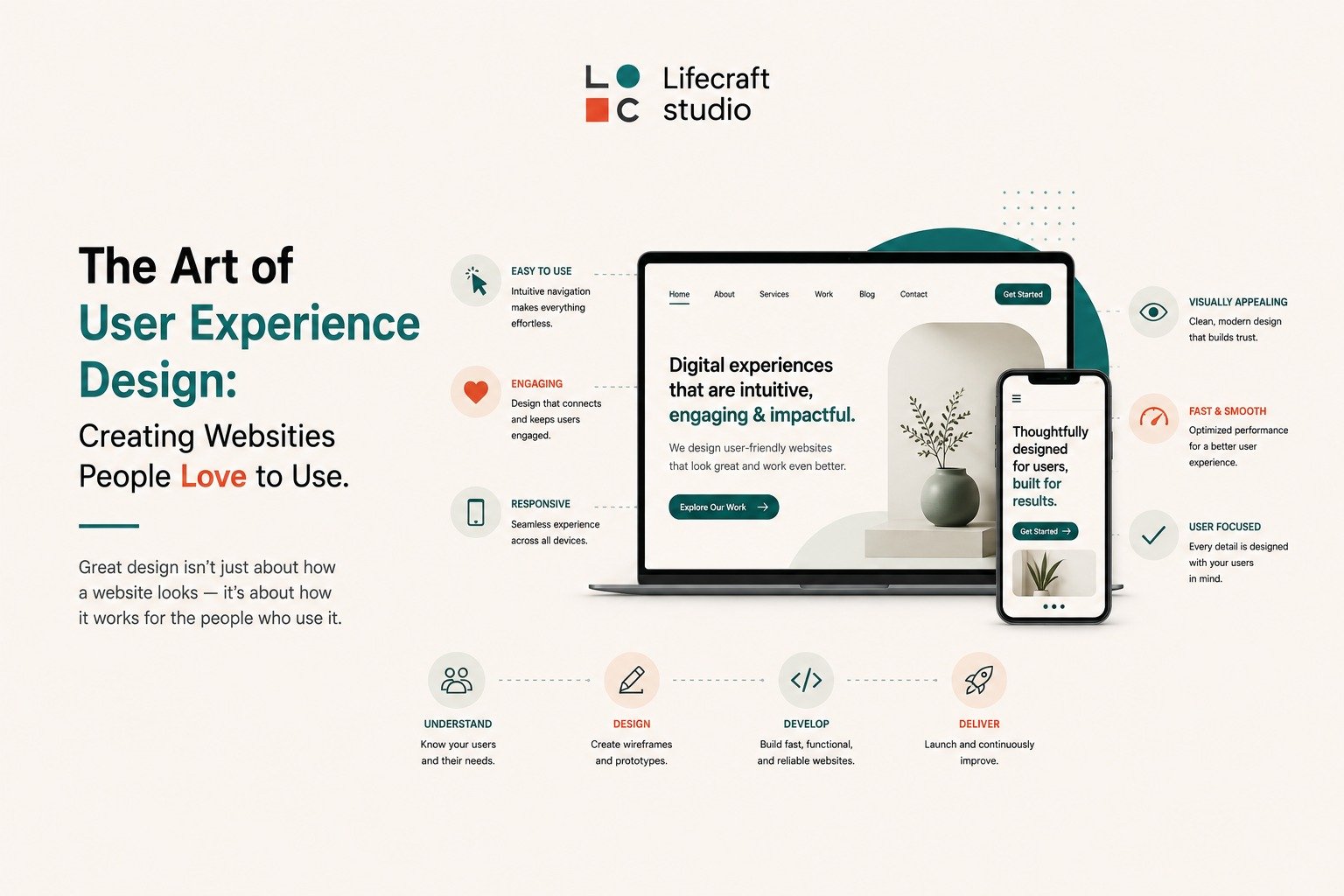
Great user experience design is invisible - it's the smooth, effortless interaction that makes visitors feel like your website was built specifically for them. When UX works, nobody notices. When it doesn't work, everybody complains. Understanding Your Users' Mental ModelsEvery visitor arrives at your website with expectations based on their previous experiences. Smart UX designers tap into these mental models rather than fighting against them. If people expect your logo to link to your homepage, don't make it do something else. If they're used to finding contact information in the header or footer, that's where it should live. The Power of SimplicityComplexity is easy - anyone can add more features, more options, and more information. Simplicity requires discipline and deep understanding of what truly matters to your users. Every element on your page should serve a specific purpose. If it doesn't help users accomplish their goals, it's creating unnecessary friction. Mobile-First ThinkingWith over 58% of website traffic coming from mobile devices, designing for mobile isn't optional anymore - it's essential. Mobile-first design forces you to prioritize the most important elements and create focused, streamlined experiences that work beautifully regardless of screen size. Testing and IterationThe best UX designers know they can't predict how users will behave - they have to observe and learn. Regular user testing reveals the gap between what you think is intuitive and what actually works for real people. Small improvements based on user feedback can dramatically increase conversion rates and customer satisfaction. Suggested Photo Ideas: Person using a smartphone to browse a website, designer sketching wireframes, usability testing session, or side-by-side comparison of good vs. poor mobile experiences.

2 mins read
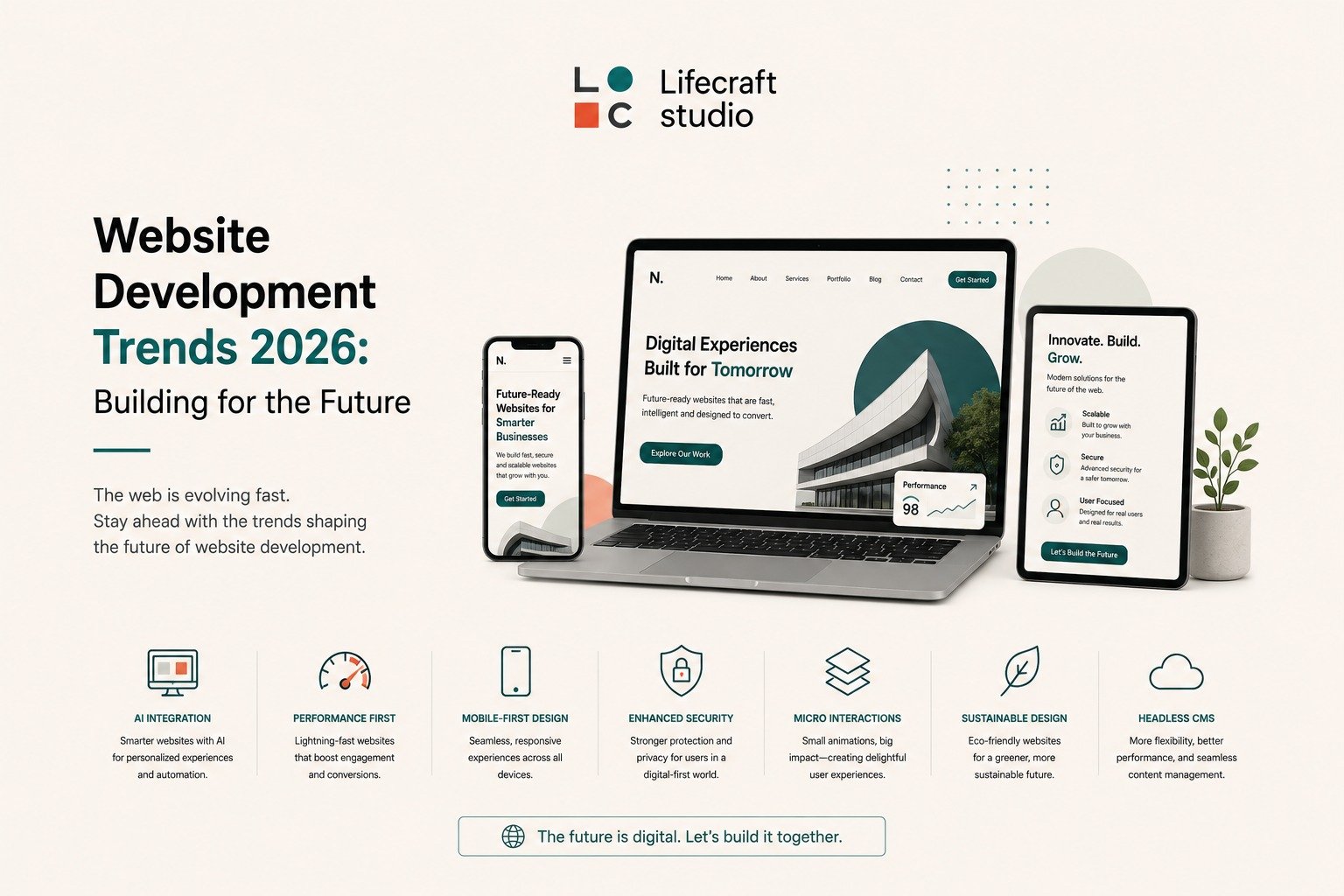
Website Development Trends 2025 - Building for the Future

Website Development Trends 2025 - Building for the Future

The web development landscape evolves rapidly, and staying current with emerging trends ensures your website remains competitive, secure, and user-friendly in an increasingly digital world. AI-Powered Development ToolsArtificial intelligence is revolutionizing how websites are built and maintained. AI-powered coding assistants help developers write cleaner code faster, while AI-driven analytics provide deeper insights into user behavior and performance optimization opportunities. These tools don't replace human creativity – they amplify it, allowing developers to focus on solving complex problems rather than repetitive tasks. Progressive Web Apps Bridge the GapProgressive Web Apps (PWAs) combine the best features of websites and mobile apps, offering fast loading times, offline functionality, and app-like experiences without requiring users to download anything from an app store. Major brands are seeing significant improvements in user engagement and conversion rates after implementing PWA technology. Serverless Architecture and Edge ComputingTraditional web hosting is giving way to more flexible, scalable solutions. Serverless architecture reduces costs and improves performance by automatically scaling resources based on demand. Edge computing brings content closer to users geographically, resulting in faster loading times and better user experiences regardless of location. Sustainability in Web DevelopmentEnvironmental consciousness is influencing web development practices. Sustainable web design focuses on optimizing code efficiency, reducing bandwidth usage, and minimizing energy consumption. These practices not only help the environment but also improve website performance and reduce hosting costs. Suggested Photo Ideas: Developer working with multiple monitors showing code, futuristic website interface, mobile device displaying a PWA, or infographic showing website loading speed improvements.

2 mins read
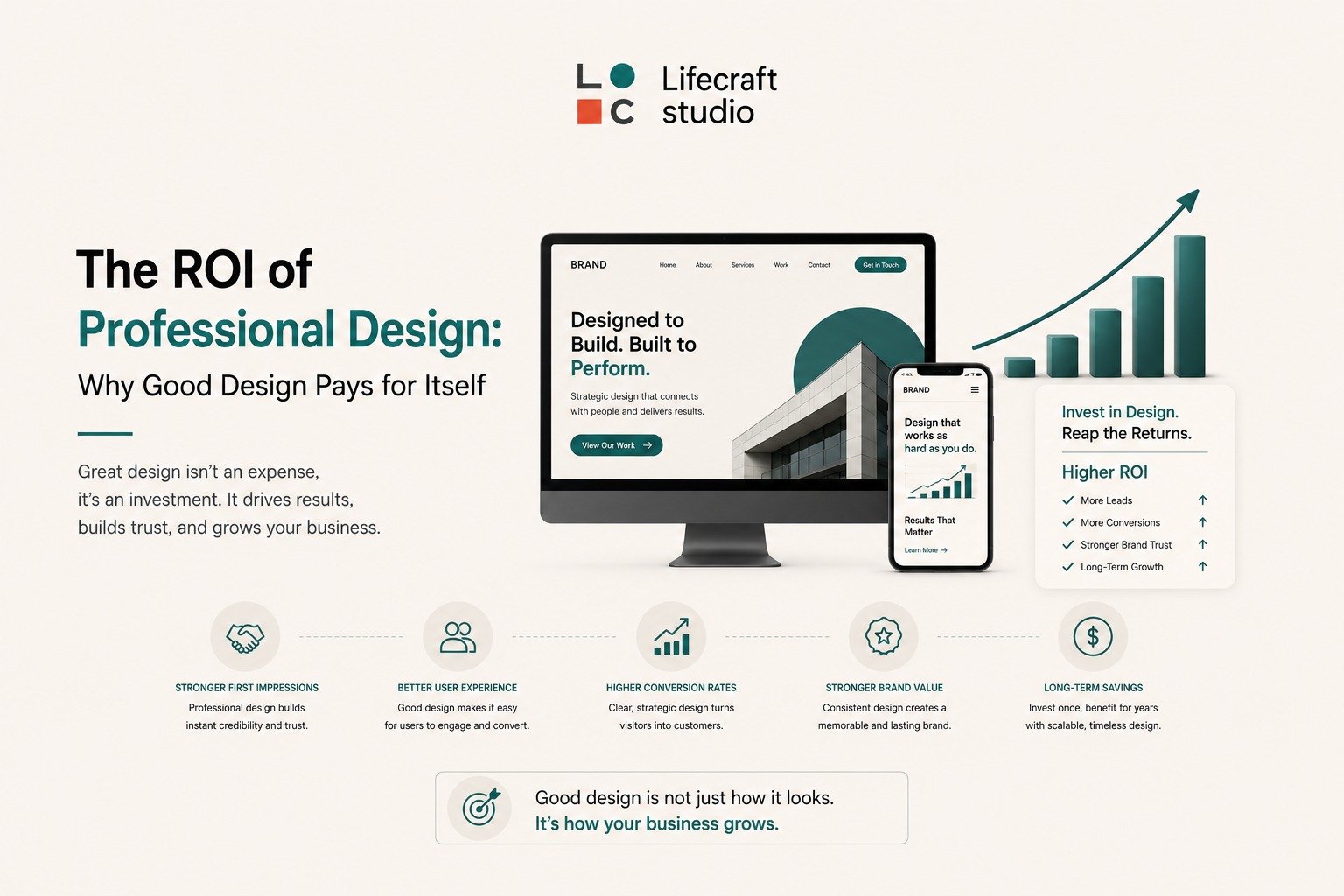
The ROI of Professional Design - Why Good Design Pays for Itself

The ROI of Professional Design - Why Good Design Pays for Itself

Investing in professional design isn't an expense - it's a strategic business decision that generates measurable returns through increased customer trust, higher conversion rates, and sustainable competitive advantages. First Impressions Drive Business ResultsYou have approximately 50 milliseconds to make a positive first impression online. Professional design ensures those crucial moments work in your favor rather than against you. Visitors form immediate judgments about your credibility, professionalism, and trustworthiness based purely on visual presentation before they even read your content. Conversion Rate Optimization Through DesignWell-designed websites don't just look better - they perform better. Strategic use of color psychology, clear visual hierarchy, and intuitive navigation can increase conversion rates by 20% or more. Every design element should guide visitors toward taking desired actions, whether that's making a purchase, scheduling a consultation, or subscribing to your newsletter. Brand Recognition Drives Customer LoyaltyConsistent, professional design across all touchpoints increases brand recognition by up to 80%. When customers can easily identify and remember your brand, they're more likely to choose you over competitors and recommend you to others. This recognition becomes particularly valuable in competitive markets where multiple businesses offer similar services. Long-term Cost SavingsProfessional design is an investment that pays dividends over time. Well-designed websites require fewer redesigns, generate more qualified leads, and create stronger customer relationships that reduce marketing costs. The initial investment in quality design typically pays for itself within months through improved business performance. Suggested Photo Ideas: Before/after website redesign comparison, business owner reviewing positive customer feedback, graph showing increased sales after rebranding, or professional design team presenting concepts to clients.

2 mins read
Responsive Web Design - Ensuring Your Website Works Everywhere

Responsive Web Design - Ensuring Your Website Works Everywhere

In today's multi-device world, responsive web design isn't a luxury feature - it's a fundamental requirement for business success. Your website needs to provide excellent experiences whether visitors are using smartphones, tablets, laptops, or desktop computers. The Mobile-First RealityMobile devices now account for over 58% of global website traffic, making mobile optimization essential rather than optional. Google's mobile-first indexing means your mobile site's performance directly impacts your search rankings, affecting how easily potential customers can find you online. User Experience Across All DevicesResponsive design ensures consistent functionality and visual appeal regardless of screen size. Visitors shouldn't have to pinch, zoom, or scroll horizontally to access your content. When your website adapts seamlessly to different devices, users stay engaged longer and are more likely to complete desired actions. SEO Benefits of Responsive DesignSearch engines prefer responsive websites because they provide better user experiences. A single responsive site is easier for search engines to crawl and index compared to separate mobile and desktop versions. This improved search engine optimization leads to higher rankings and increased organic traffic. Simplified Maintenance and Cost EfficiencyManaging one responsive website costs significantly less than maintaining separate versions for different devices. Content updates, security patches, and feature improvements only need to be implemented once. This efficiency saves time, reduces complexity, and allows you to focus resources on growing your business rather than managing multiple websites. Suggested Photo Ideas: Website displayed on multiple devices simultaneously, person switching between smartphone and laptop while browsing, responsive design wireframe sketches, or split-screen showing mobile vs desktop versions of the same site.

2 mins read
Digital Marketing Automation - Working Smarter, Not Harder

Digital Marketing Automation - Working Smarter, Not Harder

Marketing automation transforms how businesses connect with customers by delivering personalized experiences at scale while freeing up time for strategic thinking and creative problem-solving. Email Sequences That Nurture RelationshipsAutomated email sequences allow you to build relationships with prospects over time without manual intervention. Welcome sequences introduce new subscribers to your brand story, educational series establish your expertise, and re-engagement campaigns win back dormant customers. The key is creating sequences that feel personal and valuable rather than pushy or salesy. Social Media Scheduling for ConsistencyConsistent social media presence builds audience engagement, but posting manually every day is time-intensive and unsustainable. Scheduling tools allow you to batch content creation and maintain steady visibility even during busy periods. The best approach combines scheduled posts with real-time engagement to maintain authenticity while ensuring consistent visibility. Lead Scoring and Customer SegmentationNot all leads are ready to buy immediately, and treating them all the same wastes resources. Automated lead scoring helps identify the hottest prospects based on their behavior and engagement levels. Customer segmentation allows you to deliver targeted messages that resonate with specific audience groups, improving conversion rates and customer satisfaction. Performance Tracking and OptimizationMarketing automation platforms provide detailed analytics that reveal which strategies generate the best results. This data-driven approach eliminates guesswork and allows you to double down on what works while adjusting or abandoning ineffective tactics. Regular analysis and optimization ensure your automated systems continue improving over time rather than running on autopilot. Suggested Photo Ideas: Dashboard showing marketing automation metrics, business owner reviewing automated campaign performance on tablet, flowchart visualization of customer journey mapping, or split-screen comparison of manual vs automated marketing results.

2 mins read