
11th May 2024
The Art of User Experience Design - Creating Websites People Love to Use
Great user experience design is invisible - it's the smooth, effortless interaction that makes visitors feel like your website was built specifically for them. When UX works, nobody notices. When it doesn't work, everybody complains.
Understanding Your Users' Mental ModelsEvery visitor arrives at your website with expectations based on their previous experiences. Smart UX designers tap into these mental models rather than fighting against them. If people expect your logo to link to your homepage, don't make it do something else. If they're used to finding contact information in the header or footer, that's where it should live.
The Power of SimplicityComplexity is easy - anyone can add more features, more options, and more information. Simplicity requires discipline and deep understanding of what truly matters to your users. Every element on your page should serve a specific purpose. If it doesn't help users accomplish their goals, it's creating unnecessary friction.
Mobile-First ThinkingWith over 58% of website traffic coming from mobile devices, designing for mobile isn't optional anymore - it's essential. Mobile-first design forces you to prioritize the most important elements and create focused, streamlined experiences that work beautifully regardless of screen size.
Testing and IterationThe best UX designers know they can't predict how users will behave - they have to observe and learn. Regular user testing reveals the gap between what you think is intuitive and what actually works for real people. Small improvements based on user feedback can dramatically increase conversion rates and customer satisfaction.
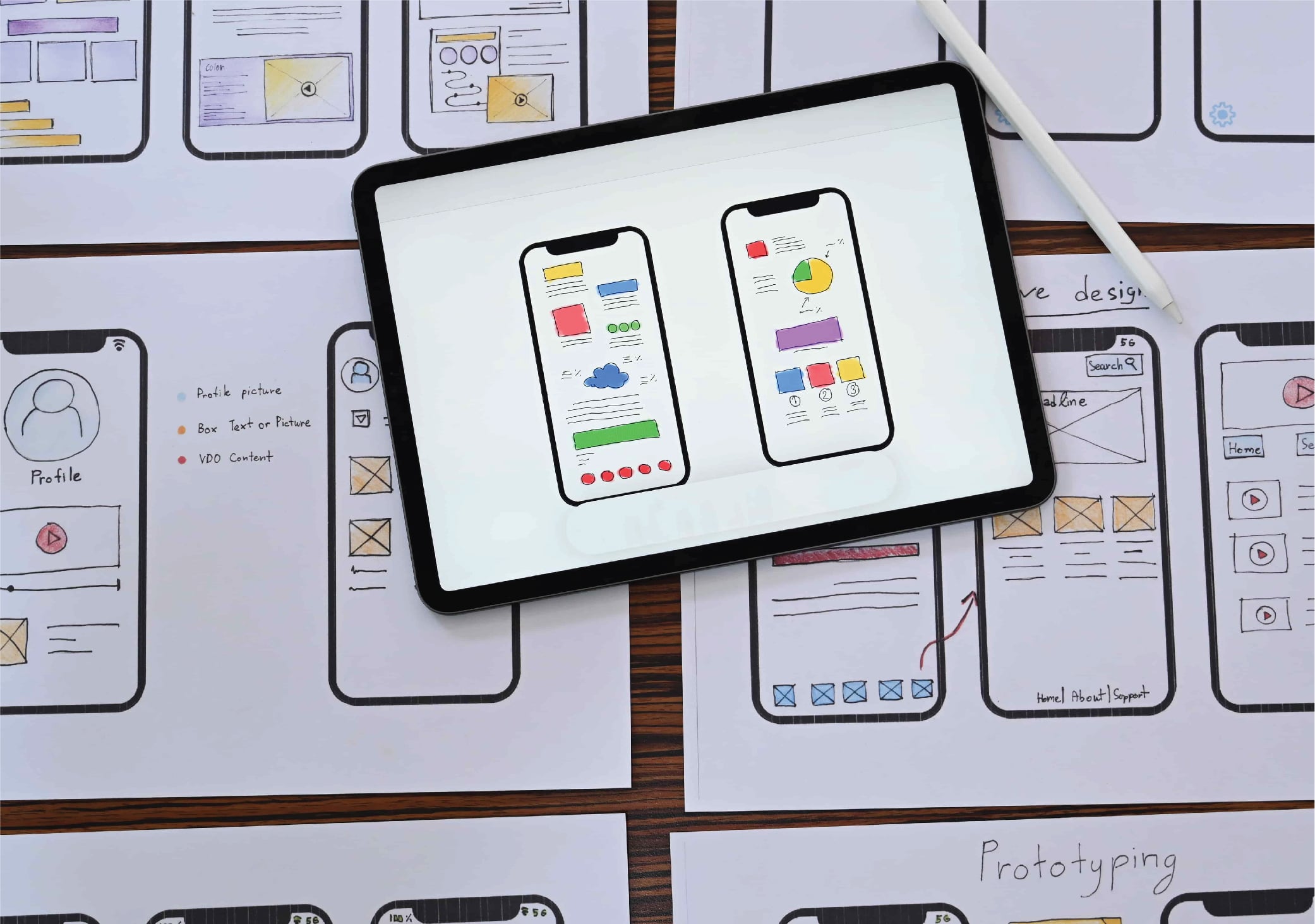
Suggested Photo Ideas: Person using a smartphone to browse a website, designer sketching wireframes, usability testing session, or side-by-side comparison of good vs. poor mobile experiences.
Follow us on


Other featured posts
The Psychology Behind Great Graphic Design - What Makes Visuals Stick?
Digital Marketing for Small Businesses - Your Roadmap to Online Success

Building a Brand That Resonates - More Than Just a Pretty Logo
The Art of User Experience Design - Creating Websites People Love to Use