
6th Apr 2026
Why Every Business Needs A Website In 2026
Introduction: In 2026, having a website is no longer a luxury for small businesses it's a necessity. Consumer behaviour has changed dramatically over the past few years, and the internet has become the first place people go when searching for products, services, or local businesses. Whether someone is looking for a restaurant, a consultant, a retail store, or a service provider, they expect to find accurate information online instantly. Businesses that lack a professional website risk losing potential customers to competitors who have established a strong digital presence.
Your Website Is Your Digital StorefrontA website serves as the online face of your business. Just as a physical store creates a first impression through its appearance and organization, a website shapes how potential customers perceive your brand. When users visit your website, they immediately form opinions about your professionalism, credibility, and reliability. A modern, well-designed website communicates that your business is active, trustworthy, and committed to providing a quality customer experience. Without a website, customers may question whether your business is legitimate or still operating.
Customers Search Online Before Making Decisions Today's consumers conduct extensive research before making purchasing decisions. They compare businesses, read reviews, browse products, and evaluate services online before reaching out or making a purchase. In many cases, a website becomes the deciding factor between your business and a competitor. If potential customers cannot find information about your company online, they may move on to another business that provides clear details about its offerings, pricing, and expertise. A website ensures that customers can learn about your business whenever they need information.
Building Trust and Credibility Trust plays a critical role in customer decision-making. A professional website helps establish credibility by showcasing your business information, testimonials, case studies, certifications, and previous work. Customers often view businesses with websites as more reliable than those relying solely on social media profiles. While social media platforms are valuable marketing tools, they cannot fully replace a dedicated website that you control. A website allows you to present your brand consistently and provide detailed information that helps visitors feel confident in choosing your services.
Available to Customers 24/7 Unlike a physical location with fixed operating hours, a website is available around the clock. Potential customers can visit your website at any time to learn about your services, view your portfolio, submit inquiries, or make purchases. This continuous accessibility creates opportunities to generate leads and sales even when you are not actively working. A website essentially functions as a full-time representative for your business, providing information and capturing customer interest twenty-four hours a day.
Showcasing Products, Services, and Expertise A website allows you to highlight exactly what makes your business unique. You can present detailed information about your services, display product catalogs, share client success stories, and publish educational content that demonstrates your expertise. By consistently providing valuable information, you position your business as an authority in your industry. This not only attracts potential customers but also strengthens relationships with existing clients who view your business as a trusted resource.
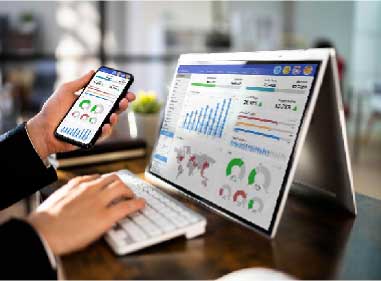
Understanding Customer Behavior Modern websites provide valuable insights into customer behavior through analytics tools. Business owners can learn how visitors find their website, which pages they view, how long they stay, and what actions they take. This data helps businesses make informed decisions about marketing, content creation, and service improvements. Understanding customer behavior enables continuous optimization, resulting in better user experiences and higher conversion rates.
Conclusion In 2026, a website is one of the most important investments a small business can make. It builds credibility, increases visibility, supports marketing efforts, generates leads, and creates opportunities for growth. More importantly, it allows businesses to meet customers where they already spend much of their time online. As consumer expectations continue to evolve, having a professional website is no longer optional; it is essential for long-term success. Small businesses that embrace a strong digital presence today will be better positioned to attract customers, compete effectively, and grow in the years ahead.
Frequently Asked Questions Q1. Does every local business need a website? Yes. Even local businesses benefit from having a website because customers often search online for nearby services, operating hours, contact details, and reviews before visiting a physical location. A website helps local businesses appear in search results and attract more customers.
Q2. Can a website help a business compete with larger companies? Absolutely. A well-designed website enables small businesses to present themselves professionally and reach a broader audience. With effective SEO, quality content, and strong branding, small businesses can compete for visibility and customers alongside larger competitors.
Q3. What happens if my business doesn't have a website? Without a website, potential customers may struggle to find information about your business online. This can result in lost leads, reduced credibility, and missed opportunities, especially when competitors have professional websites that make it easy for customers to learn about and contact them.
Follow us on


Other featured blogs

The Psychology Behind Great Graphic Design - What Makes Visuals Stick?
Digital Marketing for Small Businesses - Your Roadmap to Online Success

Building a Brand That Resonates - More Than Just a Pretty Logo

The Art of User Experience Design - Creating Websites People Love to Use